
Speed cameras are automated traffic enforcement devices that detect and record vehicles exceeding posted speed limits, deterring unsafe driving and reducing crash risk through targeted intervention and constant coverage. This article explains how speed cameras work, reviews recent evidence on their effectiveness, and maps the practical implications for everyday driving and policy. Drivers and road safety planners will learn the mechanisms through which cameras lower speeds, the strongest findings from 2023–2024 studies, how different camera technologies compare, and how low-distraction alert systems can support safer behavior. The piece also addresses typical public concerns and legal frameworks, then closes with hands-on tips drivers can apply in camera zones today. Throughout, related entities such as IIHS, NHTSA, and prominent research roundups inform the evidence, while distraction-free alert approaches are evaluated as complementary tools to enforcement.
How Do Speed Cameras Improve Road Safety and Reduce Crashes?
Speed cameras improve road safety primarily by changing driver incentives and behavior: they provide consistent enforcement that increases perceived and actual risk of citation, which reduces mean and extreme speeds at and approaching monitored locations. Lower speeds reduce stopping distances and the kinetic energy involved in collisions, directly lowering the probability of severe injuries and fatalities. Cameras also enable targeted enforcement in high-risk sites—school zones, urban corridors, and crash-prone intersections—extending policing reach without continuous officer presence. The result is both immediate speed reductions near cameras and broader normalization of safer speeds on routes where enforcement is predictable.
What Is the Purpose of Speed Cameras in Traffic Enforcement?
The core purpose of speed cameras is to enforce posted limits reliably and fairly, supplementing conventional policing by continuously monitoring specific locations and generating evidence for enforcement action. Cameras are commonly deployed where speed-related crashes are concentrated—near schools, across critical intersections, and along corridors with repeated severe collisions—which allows agencies to prioritize limited resources. By automating detection and documentation, programs can maintain enforcement presence at high-risk sites without requiring officers to remain on-scene, increasing coverage and consistency. Understanding these deployment goals clarifies why cameras are one component in broader traffic-safety strategies rather than a standalone solution.
Speed Cameras: Effective for Road Safety and Speed Reduction Studies affirmed that vehicle speed is a major contributor to crash likelihood and severity. At the same time, they identified Automated Speed Enforcement (ASE) systems, namely speed cameras, as a highly effective measure to reduce excessive and inappropriate speed, and thus improving road safety. However, identifying optimum sites for fixed speed camera placement stays an open issue in the literature, although it is a key factor that guarantees the efficiency of such ASE systems. A Predictive Framework of Speed Camera Locations for Road Safety., A Rhanizar, 2019
How Do Speed Cameras Influence Driver Behavior to Prevent Accidents?
Speed cameras influence behavior through immediate deterrence and longer-term norm change: drivers reduce speed when they know enforcement is active and, over time, adjust expectations about acceptable speeds on monitored roads. The mechanism operates via associative learning—drivers link visible signs or prior experience with cameras to the risk of citation—and via shifts in social norms as communities experience fewer high-speed events. Cameras also compress the high end of the speed distribution, reducing extreme speeding episodes that cause disproportionately severe crashes. Maintaining driver attention and avoiding abrupt braking are critical complements to enforcement, which is why awareness tools and signage matter for behavior sustainment.
Transitioning from how cameras change driver behavior, many drivers and fleets now pair enforcement awareness with in-vehicle awareness tools that provide timely, low-distraction cues to support calm speed adjustments and reduce abrupt maneuvers.
What Are the Key Statistics and Studies on Speed Camera Effectiveness?
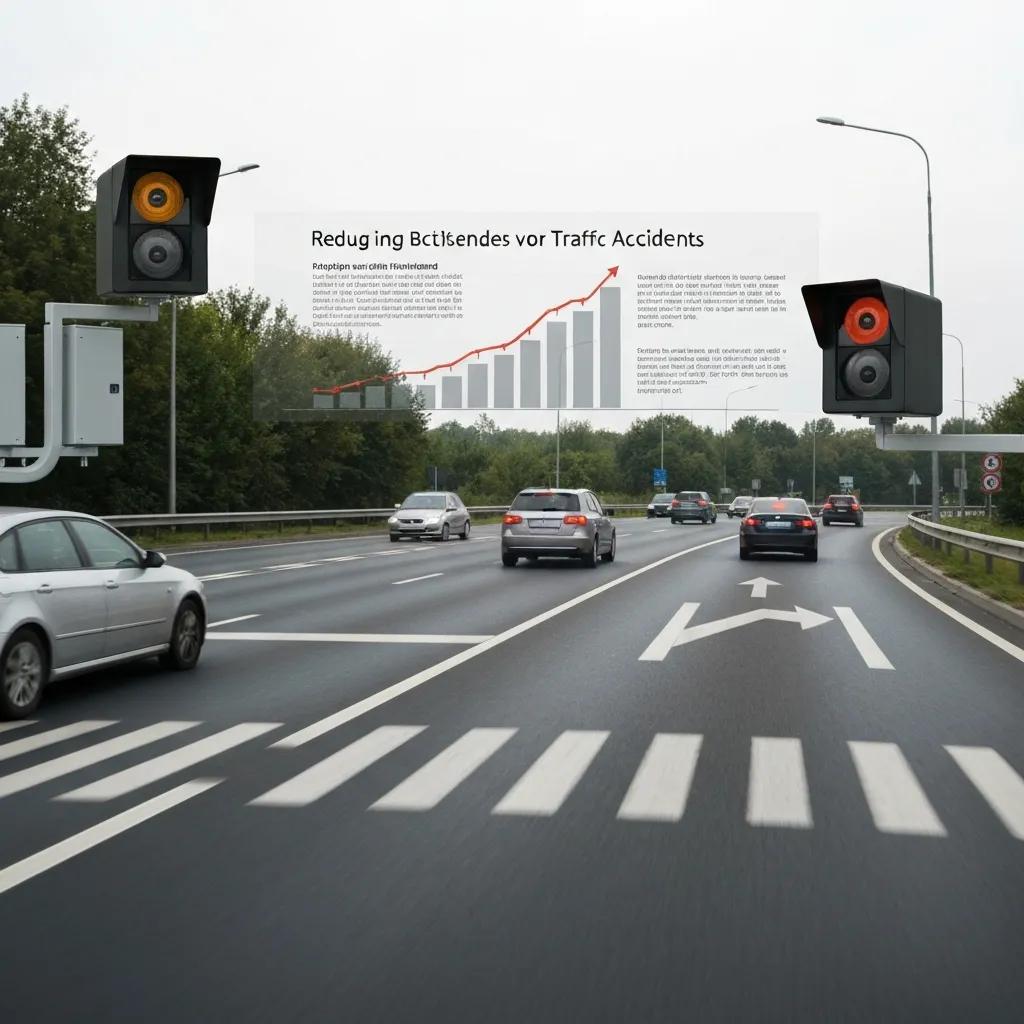
Speed camera programs have a consistent evidence base showing measurable reductions in crashes, injuries, and fatalities across multiple studies and jurisdictions, with variability depending on deployment strategy and context. Large-scale analyses and public health reviews from recent years (2023–2024) summarize reductions in collisions and serious injuries when cameras are used systematically in high-risk locations. The strongest results appear where programs combine clear signage, consistent enforcement, and community engagement; outcomes vary by camera type, visibility, and corridor length. Below is a concise comparison of representative studies and program evaluations for quick scanning and citation.
Introductory paragraph for the evidence table:
| Program / Study | Outcome Measure | Reported Finding / Year |
|---|---|---|
| LSE / AXA review | Reduction in collisions | Reported 17–39% reductions in crashes in treated sites (review of multiple programs) |
| IIHS evaluations | Serious injuries & fatalities | Documented meaningful declines in fatalities and serious injuries following targeted campaigns |
| NHTSA reviews & guidance | Program effectiveness summary | Identified consistent crash reductions where automated enforcement is sustained and visible |
| Local county programs | Corridor-specific crashes | Many programs reported large localized drops in speed-related collisions after camera deployment |
This table shows that while exact effect sizes differ by study, the direction of change consistently favors reduced crashes and injuries when cameras are implemented with clear program design and monitoring. The next section considers how these collision reductions translate into fewer deaths and serious injuries.
How Much Do Speed Cameras Reduce Traffic Accidents and Collisions?
Quantitative evaluations show meaningful reductions in accidents where speed cameras are part of a focused strategy; meta-analyses and program reports commonly report double-digit percentage declines in collisions. The magnitude depends on baseline risk, camera type, visibility, and whether enforcement is continuous or intermittent, but reductions on the order of tens of percent are frequently observed in treated locations. Local case studies often demonstrate immediate drops in crash frequency after camera installation, with longer-term benefits when programs maintain signage and data-driven placement. Appreciating this variability helps planners target cameras for maximum public-safety return.
What Is the Impact of Speed Cameras on Fatalities and Injuries?
Studies focusing on fatalities and severe injuries indicate substantial public-health gains from automated enforcement, with several evaluations reporting large percentage reductions in deaths and life-altering injuries after camera implementation. While exact ranges vary, reviewers have noted pronounced decreases in fatal crashes in urban corridors and intersections with high baseline rates of serious outcomes. Translating percentages into lives saved requires local exposure and crash baseline data, but the existing evidence supports the conclusion that cameras can be an effective component of mortality-reduction strategies when integrated with speed-management policies.
Which Types of Speed Cameras Exist and How Do They Work?
Speed-camera systems fall into distinct categories—fixed, mobile, and point-to-point (average speed)—each using specific detection technologies and serving particular enforcement roles. Fixed units continuously monitor a location and are visible deterrents for long-term problem sites; mobile units offer flexible enforcement and covert deployment for targeted campaigns; point-to-point systems measure average speed over distance, discouraging short bursts of compliance only near a camera. Detection technologies include radar, lidar, and automated number-plate recognition (ANPR) for identification and evidence capture, and modern systems increasingly integrate data-management services to support updates and routing. Understanding these technical and operational distinctions guides appropriate deployment choices.
Introductory paragraph for the camera comparison table:
| Camera Type | How It Works | Strengths / Limitations |
|---|---|---|
| Fixed speed camera | Continuous radar/lidar at a set location with imaging for enforcement | Strength: persistent deterrence at high-risk sites. Limitation: fixed coverage area. |
| Mobile speed camera | Portable radar/lidar units or van-mounted systems deployed to different locations | Strength: flexible targeting and covert enforcement. Limitation: requires deployment planning. |
| Point-to-point (average speed) | ANPR cameras timestamp vehicles over distance to compute average speed | Strength: discourages speeding across corridors. Limitation: higher infrastructure and data needs. |
This comparison helps agencies match camera type to policy goals, from steady protection at school zones to corridor-wide speed management. The next subsection traces technological advances that improved these systems’ accuracy and utility.
What Are the Differences Between Fixed, Mobile, and Point-to-Point Speed Cameras?
Fixed cameras offer continuous coverage at a known spot, making them effective for problem locations where persistent monitoring is desired. Mobile cameras enable agencies to shift enforcement focus dynamically, addressing changing patterns and supporting enforcement campaigns that respond to seasonal or event-driven risk. Point-to-point or average-speed systems measure behavior over a distance, reducing the incentive to slow only briefly near a camera and instead promoting consistent compliance along a stretch of road. Each approach balances visibility, coverage, and data management requirements, and choice depends on enforcement objectives.
How Has Speed Camera Technology Evolved to Enhance Road Safety?
Over recent years, camera systems have advanced from stand-alone radar units to integrated networks combining precise detection (lidar), ANPR for reliable identification, and streamlined data updates for network maintenance. Software improvements have increased evidence quality and reduced false positives, while integration with corridor-based analytics supports strategic placement. Mobile systems have become more sophisticated and direction-aware, enabling targeted interventions without route-entry requirements, and data-update services ensure camera databases reflect changing road layouts. These trends boost enforcement efficiency and enable smarter, evidence-driven safety programs.
How Does Distraction-Free Alert Technology Support Safer Driving?

Distraction-free alert technology supports safer driving by delivering timely, minimal-cognitive-load cues that prompt smooth speed adjustments without diverting driver attention from the road. These systems favor simple visual signals—such as instinctive red lights—over complex, multi-modal notifications that require reading or interacting with a screen. Early, directional warnings reduce the need for abrupt braking and the risk of secondary incidents, while devices designed to avoid route-entry requirements and to provide frequent data updates maintain relevance across trips. Overall, distraction-free alerts function as driver-facing complements to enforcement, fostering timely awareness that aligns with the deterrent intent of speed cameras.
Why Are Distraction-Free Visual Alerts Important for Speed Camera Awareness?
Distraction-free visual alerts reduce cognitive load by using pre-attentive cues—simple colors or icons that drivers can interpret with brief glances—so drivers can adapt speed promptly without long looks away from traffic. Human-factors research shows that shorter glance times and lower information complexity preserve situational awareness and reduce the likelihood of lane departures or rear-end collisions associated with sudden braking. Compared with smartphone notifications or in-app maps, an instinctive red light triggers faster, more consistent deceleration while minimizing the temptation to interact. Promoting such low-distraction cues helps drivers comply smoothly with enforcement and supports safer traffic flow.
Before describing specific devices, it helps to compare distraction-free visual alerts with common audible or screen-based alerts to underline how choice of modality affects driver attention and compliance.
- Distraction-free visual alerts use simple color cues and minimal text to prompt a quick, low-attention response.
- Audible/app alerts provide richer context but often require longer attention or interactive responses from drivers.
- Multi-modal alerts can increase cognitive load, raising the risk of secondary safety trade-offs like glance-based inattention.
How Does the CamCrusher Device Enhance Driver Awareness and Compliance?
The CamCrusher device exemplifies a distraction-free alert approach by providing real-time speed and red-light camera warnings through an instinctive red-light visual indicator designed to minimize driver distraction. As a driver-facing awareness device, it aims to give early, timely warnings—around 500 feet before a camera—helping drivers plan smooth deceleration rather than making abrupt maneuvers. The device emphasizes personal alert marking, direction awareness, and frequent data updates to keep warnings relevant, and it is designed without a requirement to enter a route, increasing convenience for commuting and rideshare contexts. By prioritizing a simple visual cue and extended battery life, this type of alert system complements automated enforcement by helping drivers adjust behavior safely.
This explanation of CamCrusher’s approach shows how distraction-free alerts can operationally support the enforcement mechanisms described earlier and reinforce smoother driver responses near camera locations.
| Alert Type / Device | Alert Method & Timing | Driver Benefit / Distraction Level |
|---|---|---|
| Distraction-free visual (red light) | Early visual cue (~500 feet before camera) | Timely awareness with very low cognitive load |
| Smartphone app (map + sound) | On-screen directions with audible alerts | Greater context but higher glance time and interaction risk |
| In-vehicle audible only | Beeps or tones near camera | Immediate attention but can startle and prompt abrupt braking |
This comparison highlights why simple visual alerts can reduce risky behavior while preserving attention on the road. The next section examines public perceptions and legal considerations around cameras.
What Are Common Public Concerns and Legal Aspects of Speed Camera Enforcement?
Public concerns about speed cameras typically revolve around fairness, privacy, and whether programs prioritize revenue over safety, while legal frameworks govern how and where cameras may be used, including signage and appeals processes. Addressing these concerns requires transparent program design, public reporting of safety outcomes, and clear regulatory safeguards for data use and dispute resolution. Legal frameworks vary widely by jurisdiction, but common features include requirements for visible signage, evidence standards, citation processing rules, and retention policies for imagery and data. Trust in camera programs grows when communities see published evaluations demonstrating tangible safety benefits rather than only citation counts.
How Does Public Perception Affect Speed Camera Acceptance?
Perception strongly influences acceptance: communities that view cameras as safety tools rather than revenue generators are more likely to support deployment and sustain programs. Transparent communication about program goals, results, and how funds are used—paired with public reporting of crash reductions and targeted placements—helps reframe cameras as health and safety investments. Demonstrations of local safety improvements, such as declines in serious injuries at treated intersections, directly counter revenue-focused narratives and build political and community support. Engaging residents early and publishing clear outcome metrics fosters trust and long-term program legitimacy.
What Legal Frameworks Govern Speed Camera Use and Enforcement?
Legal frameworks for automated enforcement differ across regions, but typical elements include statutory authorization for camera use, signage requirements to notify drivers, rules governing image and data handling, and procedural steps for issuing and contesting citations. Many jurisdictions mandate clear evidence thresholds and administrative review processes to ensure due process, while some require periodic program evaluation and public reporting. Agencies must comply with privacy and data-protection norms and be prepared to explain retention and access policies for captured imagery. The lawful, transparent deployment of cameras supports both compliance and community confidence.
What Practical Tips Help Drivers Stay Safe in Speed Camera Zones?
Drivers can adopt several concrete behaviors to reduce risk in camera zones while maintaining safety for themselves and others: anticipate enforcement, decelerate gradually, and avoid sudden lane changes that result from late detection of a camera. Pre-trip awareness—scanning known corridors and signs—helps plan smoother speed adjustments, and maintaining safe following distances reduces the need for abrupt braking if a lead vehicle slows for enforcement. Awareness tools that minimize distraction can assist drivers in recognizing approaching cameras without creating additional cognitive load, supporting compliance and safer traffic flow. The list below offers immediate, actionable steps drivers can use.
- Scan ahead for signage and cues: Early visual scanning gives you time to reduce speed gradually before reaching a camera.
- Adjust speed smoothly: Start decelerating early to avoid hard braking that increases rear-end collision risk.
- Maintain safe following distance: A larger buffer reduces reaction pressure if the car ahead slows unexpectedly.
- Use low-distraction awareness tools: Devices that provide simple visual cues support timely responses without increasing glance time.
- Plan routes with speed in mind: Knowing where enforcement is common helps you choose safer speeds and timings.
How Can Understanding Speed Cameras Help You Drive Safer?
Knowing camera types and likely enforcement patterns lets drivers anticipate enforcement and choose safer behaviors, such as decelerating earlier on approach and avoiding last-second lane shifts. Awareness reduces reactionary braking, which in turn lowers the incidence of secondary crashes behind abruptly slowed vehicles. Recognizing that point-to-point systems measure average speeds encourages consistent compliance across corridors rather than sporadic slowdowns. Combining knowledge with calm driving habits promotes smoother traffic flow and reduces conflict points at intersections and school zones.
What Are Best Practices for Maintaining Safe Speeds Near Cameras?
Practical best practices include observing posted signage, using gradual deceleration, and avoiding risky evasive maneuvers to escape enforcement—actions that protect both personal safety and other road users. Drivers should prioritize lane stability and gradual speed adjustments, signaling intentions early to surrounding traffic to minimize disturbance. If using awareness technology, select systems that emphasize minimal distraction and provide early warnings, which support the goal of calm speed compliance rather than abrupt avoidance. Consistently applying these habits helps drivers stay safe and aligned with both traffic laws and broader road-safety objectives.
Final note: integrating calm driving habits with clear knowledge of camera function and low-distraction awareness tools creates a practical, driver-centered approach to reducing speed-related harm on roads.
Conclusion
Speed cameras play a crucial role in enhancing road safety by effectively reducing speeding and preventing accidents through consistent enforcement. Their deployment in high-risk areas not only lowers the likelihood of severe injuries and fatalities but also fosters a culture of safer driving behaviors among motorists. Understanding the benefits of speed cameras empowers drivers to navigate these zones with greater awareness and compliance. Discover more about how to stay safe on the roads by exploring our comprehensive resources today.