
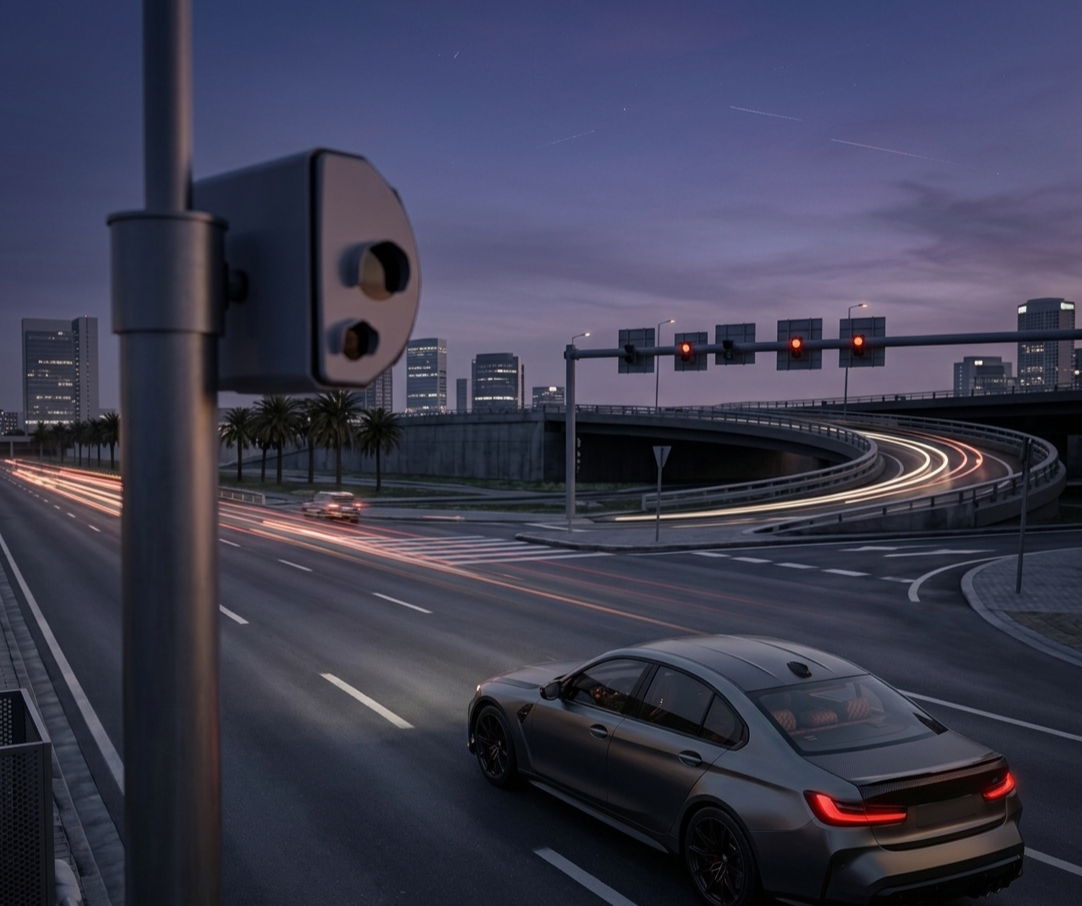
Speed cameras may feel sudden or inconvenient, but they are rarely placed at random. Their placement typically follows a structured decision-making process shaped by crash data, traffic patterns, and risk analysis.
For drivers, understanding how speed camera placement is decided changes the everyday experience entirely. Instead of wondering why enforcement shows up in a particular spot, drivers can begin to recognize the patterns behind it. This isn’t about defending or criticizing enforcement; it’s about understanding how it works.
Who Decides Where Speed Cameras Go?
Speed camera placement is usually determined by a combination of:
- Local transportation departments
- Law enforcement agencies
- Road safety analysts
- Municipal or state policymakers
In many states, speed cameras must meet specific legal criteria before installation. These criteria often require documented data-driven safety concerns, not arbitrary selections.
The Data Behind Placement Decisions
Before a camera is installed, agencies typically review multiple types of information:
1. Crash History
Locations with repeated collisions, especially those involving injuries or pedestrians, are high-priority candidates. Patterns matter more than isolated incidents.
2. Speed Studies
Temporary monitoring devices may be used to measure average and peak speeds. If a significant percentage of drivers exceed the limit, enforcement becomes more likely.
3. Road Design and Risk Factors
Certain environments carry inherently higher risk:
- School zones
- Construction zones
- Sharp curves or steep grades
- High pedestrian crossings
- Intersections with limited visibility
When road design increases the likelihood of severe outcomes, consistent speed control becomes a priority.
4. Community Complaints
In some cases, residents request enforcement after repeated close calls or unsafe driving behavior in residential areas. However, camera placement is usually a response to patterns, not a surprise decision made overnight.
Why Cameras Often Appear in “Predictable” Places
Once you understand the criteria, common placement patterns start to make sense. Speed cameras are frequently installed:
- Near schools and parks
- Along corridors with high pedestrian activity
- At intersections with red-light violations
- On roads with documented speeding trends
- In areas transitioning from high-speed to lower-speed zones
These locations share a common thread: small speed increases can lead to significantly higher injury risk. From a planning perspective, enforcement tends to concentrate where consequences escalate quickly.
Revenue vs. Safety: A Common Question
One of the most common questions about speed cameras is whether they are installed primarily for revenue generation.
In many jurisdictions, regulations govern how funds from citations are allocated. Some require reinvestment into road safety programs or transportation improvements. Others restrict how and where automated enforcement can operate. While public debate continues in some areas, official placement frameworks focus on crash reduction and injury prevention metrics.
For drivers, the more practical focus isn’t motive; it’s pattern recognition.
Fixed vs. Mobile Placement
Not all enforcement is permanent.
Fixed Cameras
These are installed in consistent, high-risk locations and remain in place long-term. Their predictability supports behavior change over time.
Mobile Cameras
These units rotate between approved locations. They are often used to prevent drivers from slowing down only at known enforcement points and then speeding up soon after (when it can still be dangerous).
What This Means for Everyday Drivers
Recognizing placement logic shifts the mindset from reaction to anticipation. If enforcement tends to appear:
- Where speed transitions occur
- Where pedestrian risk is higher
- Where crash data shows repeat incidents
Then awareness can adjust accordingly. Instead of scanning randomly for cameras, drivers can pay closer attention when entering higher-risk contexts: school zones, urban corridors after highway exits, downhill stretches, and high-density intersections. The goal isn’t hypervigilance. It’s noting context and using it smartly.
Why Speed Cameras Feel Unexpected Anyway
Even when placement follows a logical framework, drivers may still feel caught off guard. That’s because placement decisions are based on aggregate data, but drivers experience roads individually.
A location may statistically qualify as high-risk while feeling routine to someone who drives it every day. Familiarity can dull the perceived risk even when objective data suggests otherwise. Understanding placement criteria doesn’t eliminate surprise entirely, but it reduces the sense of randomness.
Patterns Are More Reliable Than Guesswork
Drivers often try to predict enforcement based on intuition:
- “This road feels safe.”
- “Traffic usually moves faster here.”
- “No one else is slowing down.”
But enforcement decisions aren’t based on how a road feels. They’re based on measurable patterns collected over time. When drivers shift from intuition to pattern awareness, adjustments become smoother and more consistent.
A Calmer Way to Think About Placement
Speed cameras are designed to standardize behavior in locations where risk has historically been higher. Whether someone agrees with automated enforcement or not, the placement process usually follows identifiable logic. For drivers, that logic offers something useful: predictability.
Speed camera awareness works best when it’s early and contextual. When drivers understand why enforcement appears where it does, attention becomes less reactive and steadier. Camera placement isn’t random; it’s patterned.
And when patterns are understood, driving becomes calmer — not because enforcement disappears, but because surprises become less frequent.