
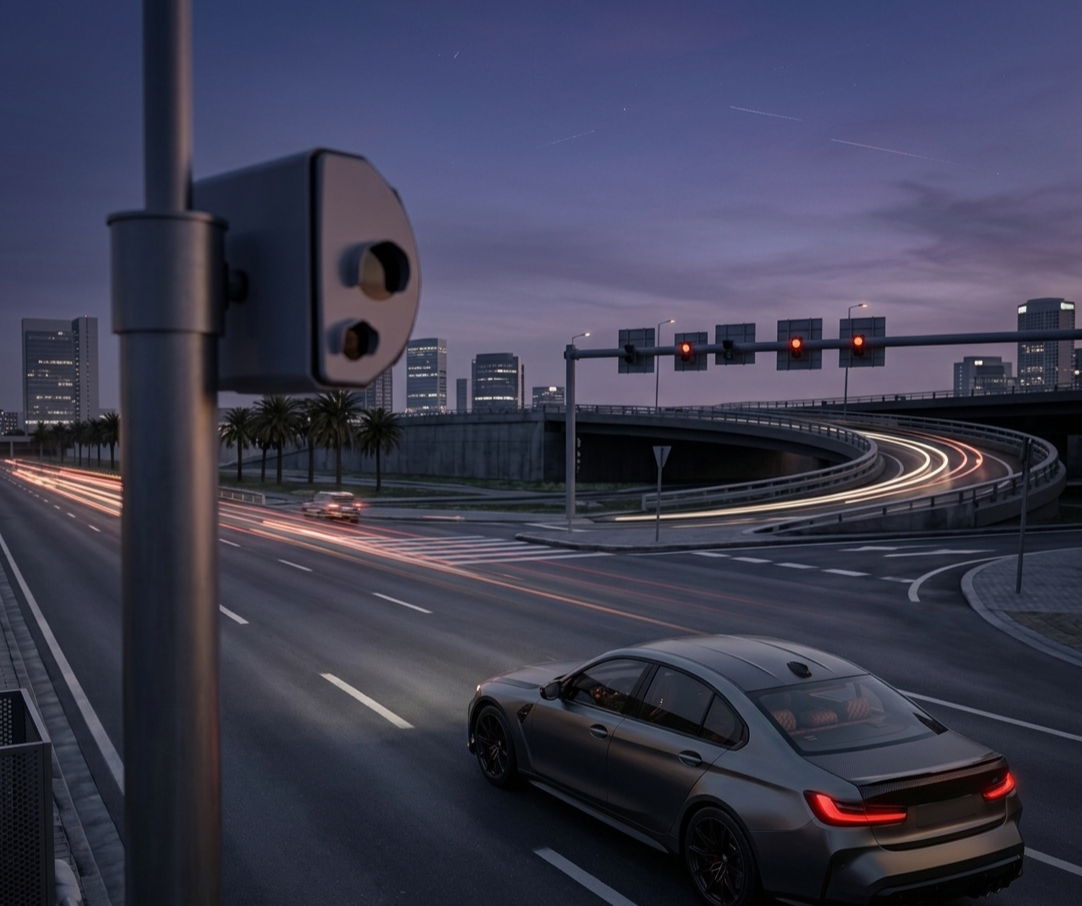
Most drives don’t require constant effort. You follow the road, adjust speed, change lanes, and respond to traffic, often without thinking about each step. It feels smooth and continuous; almost automatic. That’s not accidental. It’s how the brain is designed to work.
But that same efficiency can quietly shape what gets noticed and what doesn’t.
Why Driving Becomes Automatic Over Time
When a behavior is repeated often, the brain begins to compress it: instead of processing every detail, it builds patterns. These patterns allow you to drive without consciously evaluating every movement, sign, or decision.
This is what makes long drives feel manageable; it reduces effort and keeps attention available for what feels most important. Over time, familiar actions move into the background. Steering corrections, speed adjustments, and spacing happen with minimal conscious input. The result is a steady, low-effort state often described as “just driving.”
What the Brain Chooses to Prioritize
Even in this automatic state, the brain is still selective, giving priority to:
- Movement (vehicles changing speed or direction)
- Potential hazards (sudden stops, merging traffic)
- Navigation decisions (turns, exits, route changes)
Static elements (especially those that don’t change) receive less attention over time. Speed cameras fall into this category. Because they don’t move, they don’t demand immediate reaction. Speed enforcement cameras are often deprioritized unless something brings them into focus early enough.
Why Awareness Can Lag Behind Reality
Driving feels continuous, but awareness is moment-based. Awareness rises when something stands out, then settles again. In between those moments, the brain relies on patterns to maintain flow. This creates a small delay between what happens and when it is fully noticed.
With speed cameras, that delay matters because the system records a specific moment. Awareness may arrive slightly after that moment has already passed. From the driver’s perspective, it feels like everything happened at once, but in reality, the sequence was just slightly out of sync.
The Role of Flow State in Everyday Driving
There’s a reason driving can feel calm, even in complex environments. The brain enters a state often referred to as “flow” — a balance between attention and efficiency.
In this state:
- Actions feel smooth
- Decisions feel immediate
- Effort feels low
Flow is useful, reducing fatigue and supporting consistency. But it also narrows what gets consciously processed. Instead of scanning everything, the brain trusts the pattern it has already built. That trust works well until something subtle falls outside of it.
Why Speed Cameras Don’t Interrupt That Flow
Some events naturally break driving flow: sudden braking ahead, a pedestrian stepping into the road, a sharp turn that requires immediate adjustment.
Speed cameras don’t behave this way. They don’t create urgency or demand immediate response. They exist within the environment without interrupting it. Because of that, they often pass through the edges of attention rather than the center of it.
By the time you notice them, the moment that mattered may already be behind you.
How Small Changes in Context Make a Big Difference
Awareness isn’t just about what you see. It’s influenced by when something becomes relevant. Certain transitions naturally require more attention:
- Moving from open roads into denser areas
- Approaching intersections where timing matters
- Entering zones where speed limits change
These moments temporarily shift the brain out of automatic mode. When awareness aligns with these transitions, it arrives earlier. When it doesn’t, the experience stays smooth, but awareness comes later.
Why Good Drivers Still Miss Speed Cameras
Missing a speed camera isn’t usually a sign of carelessness. It often means the driver was:
- Maintaining a steady flow
- Focused on surrounding traffic
- Following expected patterns
In other words, doing what normally works.
The challenge is that speed cameras operate outside of that pattern. They measure a precise moment, regardless of how consistent or controlled the drive feels overall. That’s why the experience can feel disconnected from the way the drive actually felt.
A Subtle Shift That Changes the Experience
Driving doesn’t need more effort; it needs slightly earlier context. When attention shifts just a bit sooner before a situation becomes obvious, adjustments happen naturally within the flow of driving. There’s no need for sudden corrections or to break rhythm.
Instead of reacting to what appears, the driver is already aligned with the conditions ahead. This doesn’t require constant vigilance. It simply means recognizing where awareness tends to arrive late and allowing it to arrive a little earlier.
When awareness aligns more closely with what’s happening ahead, the drive feels just as smooth but more predictable. Speed stays consistent, adjustments feel controlled, and there’s less second-guessing after the fact because fewer moments feel unexpected in the first place.
Awareness Works Best When It Blends In
Driving will always rely on automatic behavior, that’s what makes it sustainable. The goal isn’t to override that system. It’s to work with it.
When awareness fits naturally into the flow of driving, arriving early enough without interrupting attention, it stops feeling like an effort. It becomes part of the drive itself. And when that happens, fewer things feel like they appeared out of nowhere.