
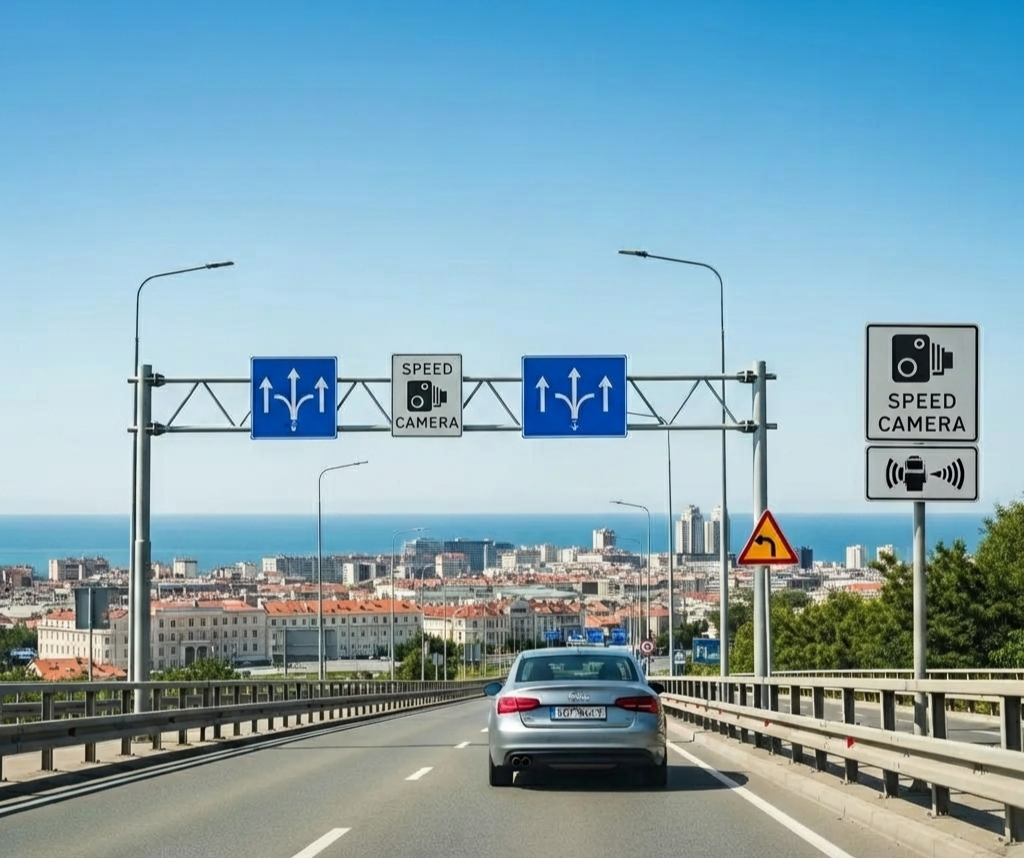
Driving in unfamiliar areas changes how attention works. Whether it’s a new city, a road trip on unfamiliar highways, or time behind the wheel of a rental car, many drivers notice the same thing: speed cameras feel harder to anticipate. Tickets arrive unexpectedly, even when drivers believe they were paying attention.
Understanding why speed cameras feel more surprising in unfamiliar places helps explain a common experience: knowing the rules, but noticing too late.
Why New Roads Change Driver Awareness
When drivers travel familiar routes, the brain builds patterns. Speed limits feel predictable, intersections feel routine, and attention settles into a rhythm. Unfamiliar roads disrupt that rhythm.
In new environments, the brain prioritizes signage, traffic behavior, and orientation. Mental energy shifts toward figuring out where you are and where you’re going. As a result, less attention is available for subtle enforcement cues.
This is why speed cameras often go unnoticed in new areas:
- Attention is divided between navigation and traffic flow
- Visual scanning widens instead of focusing on enforcement cues
- Familiar reference points don’t exist yet
- Timing feels harder to judge
Awareness isn’t reduced because drivers care less. It’s reduced because the brain is doing more.
Speed Perception Feels Different Outside Familiar Contexts
Wide roads, smoother pavement, and quieter vehicles can all make your car’s speed feel slower than it actually is. This effect becomes more pronounced in unfamiliar places, where drivers lack reference points for how fast traffic normally moves.
Speed cameras don’t respond to perception. They respond to movement. When speed feels comfortable but exceeds the posted limit, awareness may arrive only after passing the enforcement point. By then, adjustment no longer matters.
Why Rental Cars Amplify the Effect
Driving a rental car introduces another layer of uncertainty. Speed, braking, engine sound, and dashboard layout all change. Without familiar sensory feedback, speed becomes harder to judge intuitively.
In these situations:
- Drivers rely more on visual input
- Speed drift happens gradually
- Awareness depends heavily on timing
The combination of unfamiliar roads and unfamiliar vehicles increases the likelihood that awareness arrives late.
Enforcement Systems Don’t Reward Reaction
Many drivers associate speed enforcement with a single moment: seeing a camera and slowing down. In reality, enforcement systems measure behavior before you see them or across a distance.
Average speed cameras, for example, calculate consistency rather than reaction. Brief slowdowns near visible cameras don’t offset earlier or later speed. Red light cameras operate similarly. Signal timing varies, and a moment of hesitation or misjudgment can trigger enforcement automatically.
These systems are designed to reduce risk patterns, not respond to last-second corrections.
Staying Legal Without Studying Local Laws Mid-Drive
Speed camera laws vary by state and city. Some jurisdictions issue citations to drivers, others to vehicle owners. Some require signage, others don’t. Trying to track these details while driving isn’t realistic.
The practical takeaway is simple: assume enforcement exists where awareness matters most, and drive with tools that support that assumption without demanding attention. The safest systems are the ones you don’t have to think about.
A Calmer Way to Think About Speed Cameras on New Roads
Unfamiliar driving doesn’t require heightened vigilance, it requires earlier awareness. When drivers notice speed enforcement sooner, adjustments happen naturally, speed changes feel controlled, and driving remains calm.
This is where subtle cues matter.
CamCrusher was built around the idea that awareness works best when it arrives quietly. Instead of screens or sounds, it uses a simple red light to signal when a speed or red-light camera is ahead. The alert appears early enough to allow a smooth adjustment, stays visible long enough to confirm awareness, and then fades once the camera is behind you.
No routes to enter. No buttons to press. Nothing competing for attention. By working with instinct rather than demanding focus, awareness becomes part of the drive instead of an interruption. The result is steadier movement, fewer surprises, and a calmer experience on roads that are still unfamiliar.
Awareness Works Best When It Arrives Quietly
Driving in new places will always demand more attention, that’s normal. The goal isn’t perfection. It’s noticing earlier, adjusting gently, and keeping focus where it belongs: on the road ahead.
Speed cameras don’t exist to catch drivers off guard. They exist to enforce consistency in places where risk is higher. When awareness aligns with timing, enforcement fades into the background.