
Speed camera violations occur when an automated traffic enforcement camera records a vehicle exceeding a posted limit or running a red light, triggering a civil or criminal notice to the registered owner. This guide explains how camera systems operate, the range of fines and license consequences you might face, how tickets can affect insurance and driving records, and practical steps to dispute citations. Many drivers want clear, usable advice that emphasizes prevention and safety rather than only legal defense, so this article prioritizes how awareness and technology reduce risk while explaining dispute pathways when enforcement occurs. You will learn the types of cameras and detection methods, representative fine ranges and how jurisdictions differ on points and penalties, insurer treatment of camera citations, and step-by-step dispute strategies. The final sections offer prevention tactics—behavioral and technological—including examples of distraction-free alert devices—so you can apply solutions that keep eyes on the road and reduce the chance of a notice being issued.
What Are Speed Camera Violations and How Do They Work?
A speed camera violation is an automated enforcement event where equipment detects a vehicle exceeding a speed threshold or failing to obey intersection signals and records photographic or sensor evidence that links the vehicle to the offense. Automated traffic enforcement systems use hardware and software to detect speed, capture an image of the license plate, timestamp the event, and generate a notice of liability sent to the registered owner; this chain of detection-to-notice establishes the basis for fines or civil penalties. Understanding this detection workflow clarifies why evidence quality, device calibration, and metadata (time, location, speed) matter when disputing a ticket. The next subsection describes the common camera types you are likely to encounter and how each is typically deployed.
What Types of Speed and Red-Light Cameras Are Used for Traffic Enforcement?
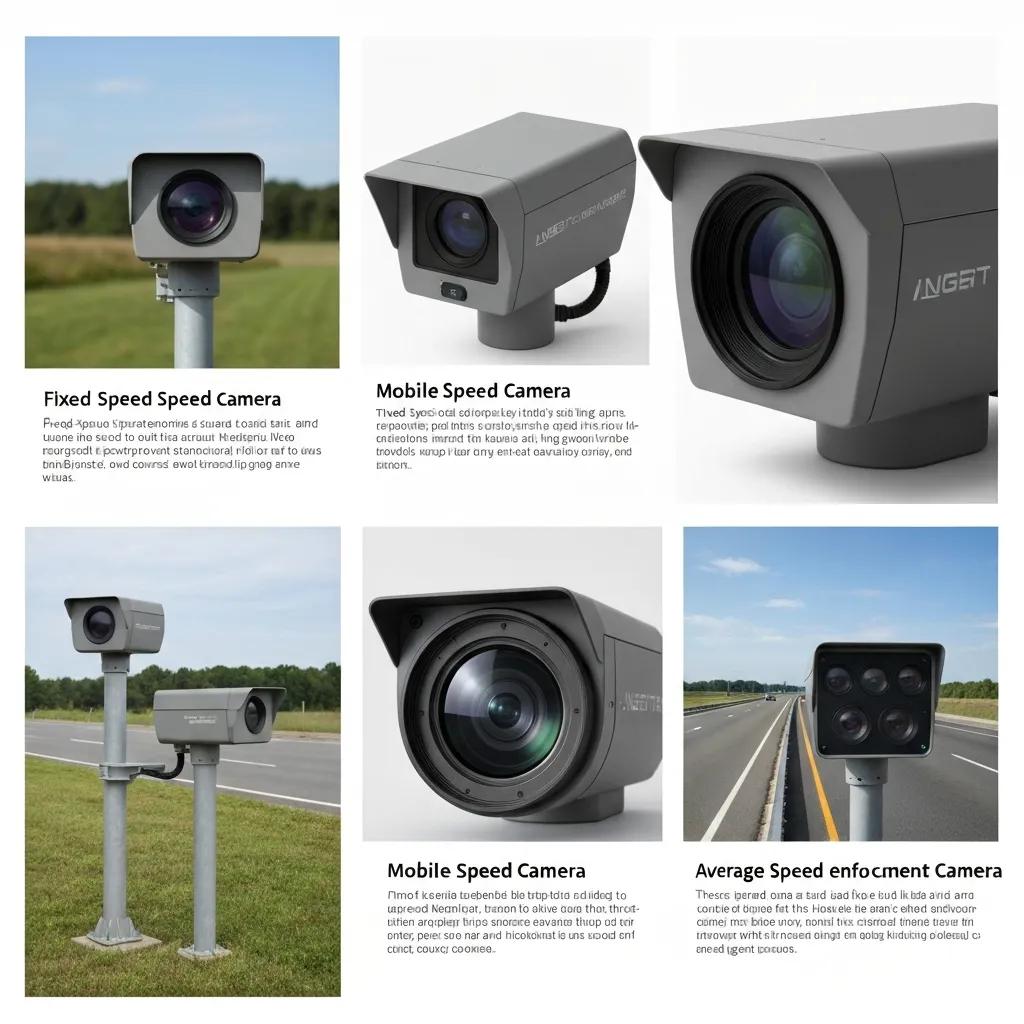
Enforcement programs use several hyponyms of automated cameras that target speed and red-light violations, each suited to different roadway contexts and objectives. Fixed speed camera installations monitor a single location constantly and are common near schools and work zones, while mobile speed cameras (vehicle-mounted or tripod units) provide temporary enforcement across various corridors. Average speed enforcement—also called point-to-point—calculates speed over a distance between two cameras to enforce sustained speeding, and red-light cameras monitor intersection stop-line violations triggered by camera sensors or induction loops. These differentiated deployments reflect specific enforcement goals, and knowing which type is used informs both avoidance strategies and challenge approaches.
Automated speed cameras are a significant technological advancement in traffic law enforcement, utilized across many police jurisdictions to monitor speed limit adherence.
Automated Speed Cameras: Technology for Traffic Law Enforcement Automated speed cameras are one of a range of new technologies introduced to help with traffic law enforcement that are used to detect speed limit breaches in most police authority areas.
How Do Speed Cameras Detect and Record Violations?
Cameras detect violations through a combination of detection technologies such as radar, lidar, and induction loops, which register speed or signal phase changes and trigger image capture when thresholds are exceeded. The camera sensor and license plate reader record photographic evidence, with metadata—timestamp, GPS or location descriptor, and measured speed—attached to support the notice; this evidence bundle is the central element in automated enforcement. Accuracy issues can arise from sensor misalignment, calibration drift, occluded plates, or timestamp inconsistencies, and those technical details become key defensive points when contesting a citation. Understanding this evidence chain leads directly into questions about penalties and how jurisdictions interpret automated reports.
What Fines and Penalties Can You Expect from Speed Camera Violations?
Penalties for camera-issued citations vary widely and often depend on whether enforcement is civil or criminal under local law; typical outcomes include monetary fines, administrative fees, and in some jurisdictions, points or license actions for repeat offenses. Many municipalities set fixed fine ranges for automated violation notices while state-level statutes may authorize or limit automated enforcement, creating a patchwork of penalties that drivers should verify with local authorities. This section provides a representative comparison of typical fine ranges across several jurisdictions and explains how to interpret those ranges for personal risk assessment. After the table, the following subsection addresses how penalty points and license consequences may apply and where civil-versus-criminal distinctions change the stakes. Automated enforcement typically focuses on monetary deterrence rather than criminal prosecution, but exceptions exist and local codes define escalation thresholds.
| Jurisdiction example | Typical fine range | Notes |
|---|---|---|
| Representative City A (municipal program) | $50–$200 | Common civil fines for red-light or speed-camera notices; local fees can increase cost. |
| Representative City B (school/work-zone emphasis) | $100–$300 | Higher fines often used to deter violations in sensitive areas like school zones. |
| Representative State C (point-to-point/avg speed) | $75–$350 | State-authorized programs may set uniform ranges or allow municipal adjustments. |
These representative examples illustrate that fine amounts and fee structures vary by local ordinance; always consult your municipality or state code to confirm exact penalties and payment or contest timelines.
How Much Are Speed Camera Ticket Fines by State?
Fine amounts depend on whether the issuing authority is a municipality or a state agency, and whether the program targets red-light or speed enforcement, with school-zone and repeat-offender fines frequently at the high end of ranges. Representative fine ranges in the table above show common civil penalties, but precise amounts change with legislative updates and municipal ordinances, so checking the issuing notice for citation code references and applicable statutes is essential. When you receive a notice, review the citation language to see which law or local code is cited, as that will direct you to authoritative fine schedules. Knowing how to locate and interpret that statute supports informed decisions about paying, disputing, or seeking counsel.
Legal challenges to speed cameras have highlighted concerns regarding their reliability and accuracy, with some cases revealing procedural flaws in how certifications were obtained.
Speed Camera Effectiveness and Legal Challenges: Deterrence and Accuracy The findings provide evidence for the effectiveness of stationary speed cameras in reducing casualties and show how human behavior changes in light of deterrence and enforcement. In brief, several drivers who were issued tickets based on evidence from automatic stationary speed cameras appealed to the court, arguing that there were doubts about the cameras’ reliability and accuracy. During the deliberations (State of Israel v. Badran and others; Traffic Court [Acre] no. 4745–08-13, 2018), it emerged that there were flaws in the process through which the police had obtained the required certification from the Standards Institution of Israel (SII).
What Penalty Points and License Consequences Apply to Speed Camera Tickets?
Whether a camera citation adds penalty points to a driving record depends on jurisdictional rules and whether the violation is treated as civil or equivalent to an officer-issued moving violation. In many places automated tickets remain civil and do not trigger DMV point assessments, but states differ: some transfer camera citations into point-bearing records under certain conditions, especially for repeated offenses. License suspension typically follows when accumulated points or repeat violations meet administrative thresholds, so tracking your driving record through your local DMV helps anticipate escalation risks. If point exposure is possible, that increases the incentive to challenge the notice early and to gather evidence about device accuracy and proper signage.
Do Speed Camera Tickets Affect Your Insurance and Driving Record?
The insurance impact of camera-issued citations hinges on insurer policies and whether the citation appears on a driving record; many insurers treat civil-only camera notices differently than officer-issued moving violations, often resulting in less immediate premium change. Insurance premium increase speed camera impacts vary by company, and some insurers may only adjust rates if the citation is recorded as a moving violation by the DMV or in the case of multiple offenses showing a pattern of risky driving. Determining if a citation will appear on your driving record requires checking the jurisdiction’s reporting practices and the notice itself for references to DMV reporting. The table below summarizes common jurisdictional treatments of camera citations and their typical insurance/record consequences.
| Jurisdiction type | Record impact | Value (insurance/points) |
|---|---|---|
| Civil-only municipal program | Often not reported to DMV | Usually low immediate insurance impact; treats as non-moving civil penalty |
| State program with DMV integration | Reported as moving violation in some cases | Can add points and prompt insurer premium review |
| Mixed or conditional reporting | Reported when escalated or unpaid | May affect insurance and lead to collections or administrative penalties |
This table clarifies that insurance consequences are contingent on whether the citation is recorded as a moving violation; drivers should check both DMV reporting rules and their insurer’s policy to determine exposure.
How Do Speed Camera Violations Impact Your Car Insurance Premiums?
Insurance companies evaluate motor vehicle risk profiles using driving records and claims history, and when camera violations are not recorded as moving violations they often do not trigger immediate premium increases. However, a pattern of citations, escalated or unpaid notices, or jurisdictions that forward camera citations to the DMV can lead insurers to view a driver as higher risk, potentially resulting in rate adjustments at renewal. Because insurer practices vary, the most reliable step is to contact your insurance provider to ask how automated enforcement notices are treated under your policy. Understanding the insurer’s criteria for rate changes helps frame the urgency of disputing a ticket or seeking documentation showing civil-only classification.
Do Speed Camera Tickets Appear on Your Driving Record?
Whether a ticket appears on your driving record is governed by local automated enforcement laws and whether the issuing authority reports the citation to the DMV or equivalent licensing agency. In many jurisdictions, civil camera citations are kept separate from moving violation records and therefore do not add points, but where laws allow conversion of civil notices into point-bearing violations, the citation will appear on the driving record. To confirm, review the notice for statutory citations and contact your DMV to check your record; proactive verification reduces surprises and informs decisions about contesting the notice or negotiating administrative remedies. Knowing how your jurisdiction treats reporting prepares you to manage both license and insurance implications.
How Can You Fight or Dispute a Speed Camera Ticket?
Disputing a camera ticket centers on contesting the evidence chain: who the responsible party is, whether the device and sensors were functioning and calibrated properly, and whether signage and notice requirements were met. Effective disputes gather evidence such as photos of the location, maintenance or calibration records for the device (if available), witness statements, and any metadata inconsistencies in the notice; raising reasonable doubt about identification or device accuracy is a common defense. Below is a practical numbered checklist outlining typical dispute steps that prioritize documentation and timely response to notice deadlines. After following procedural steps, the next subsection explains when consulting legal counsel becomes important. This stepwise approach helps you decide whether to challenge a notice administratively or escalate to traffic court.
- Read the Notice Carefully: Note deadlines, citation codes, and instructions for contesting the notice.
- Gather Evidence: Photograph signage, road markings, and the site; collect dashcam or witness accounts if available.
- Request Device Records: Ask the issuing agency for calibration and maintenance logs to verify proper operation.
- File a Formal Challenge: Submit required paperwork by the indicated deadline and prepare for an administrative hearing if applicable.
- Attend Hearing or Court: Present evidence clearly, question chain-of-custody and calibration, and request dismissal if reasonable doubt exists.
Following these steps increases the chance of a favorable outcome by focusing on documentary and technical weaknesses in automated enforcement evidence.
What Are the Steps to Dispute a Speed Camera Ticket Successfully?
Successful dispute strategies combine timely procedural action with focused technical and evidentiary challenges that create reasonable doubt about the automated record. Begin by responding within the notice’s deadline and requesting all available device logs, calibration certificates, and chain-of-custody documentation, because gaps in those records often form the core of a defense. Prepare concise evidence packets—photos of the scene, proof of alternate vehicle usage, or GPS/dashcam timestamps—that directly rebut the notice’s claims, and be ready to present a clear narrative at an administrative hearing or in traffic court. Emphasize technical questions such as sensor accuracy, plate legibility, and whether signage met legal requirements, since those issues frequently determine case outcomes.
When Should You Seek Legal Counsel for Speed Camera Violations?
Consider professional legal help when the citation carries potential point accumulation, license suspension risk, significant fines, or when evidence complexity—such as disputed device calibration logs or ambiguous identification—exceeds your comfort with court procedures. An experienced traffic attorney can subpoena technical records, evaluate device maintenance and calibration protocols, and present expert testimony challenging measurement accuracy when appropriate. For repeat offenses or contested civil-to-criminal escalations, counsel helps weigh cost-benefit decisions and negotiate plea or administrative resolutions. Selecting counsel with demonstrated experience in automated enforcement law and local traffic court procedures increases the odds of a favorable resolution.
How Can You Prevent Speed Camera Violations with Awareness and Technology?

Preventing camera violations combines predictable safe driving behaviors with situational awareness supported by technology designed to minimize distraction while alerting drivers to enforcement locations. Behavioral strategies such as consistent speed checks, planning routes through known enforcement zones, and using cruise control where appropriate reduce the chance of a snapshot violation. When considering alert devices, prioritize distraction-free mechanisms that preserve attention on the road over screen-based or loud audible systems; devices that provide subtle, instinctive cues help drivers respond without additional cognitive load. The table below compares device/practice mechanisms and their safety benefits, followed by a short product-focused example that illustrates distraction-minimizing design principles.
| Device or practice | Mechanism | Safety benefit |
|---|---|---|
| Distraction-free light alerts (example device) | Non-auditory glow indicating camera proximity | Preserves situational awareness and prompts natural speed reduction |
| Audible/app alerts | Sound or on-screen directions | Can be effective but may cause cognitive distraction or prompt glancing at a screen |
| Route planning and speed discipline | Pre-trip planning and cruise control | Reduces surprises and sustained speeding in high-enforcement areas |
This comparison shows how non-intrusive alerts and disciplined driving practices work together to reduce violations while supporting safe attention to the roadway.
What Are the Benefits of Using Camera Alert Devices Like CamCrusher?
Distraction-free alert devices such as the CamCrusher device are engineered to give timely, intuitive warnings without producing intrusive sounds or screen prompts, using a red-light glow or similar minimal visual cue to trigger a natural slowdown response. This instinctive reaction supports safer driving by encouraging drivers to look at the road and adjust speed rather than diverting attention to read a screen or silence an alarm, and direction-aware alerts reduce false positives by considering travel direction. Frequent data updates maintain currency about enforcement locations, and ease-of-use features—no destination entry and personal alert marking—lower setup friction so devices can be used consistently. These product attributes illustrate how well-designed alert systems reduce risk while prioritizing driver focus and road safety.
What Safe Driving Habits Help Avoid Speed Camera Tickets?
Adopting consistent habits—monitoring speedometer, anticipating speed zone changes, and planning routes that avoid high-enforcement corridors—reduces reliance on last-second braking and the chance of triggering camera detection. Using cruise control on appropriate roads stabilizes speed and helps maintain posted limits, while heightened vigilance in school zones, construction corridors, and intersections addresses common camera deployment areas. Minimizing in-vehicle distractions, ensuring clear sightlines to signage, and allowing extra travel time to avoid hurried driving are practical behaviors that lower enforcement exposure. These habits, combined with situational awareness and supportive technology, create a predictable driving pattern that reduces both tickets and crash risk.
What Are the Key Speed Camera Laws by State You Should Know?
Speed camera laws vary by state and municipality, with differences in authorization, evidence standards, notice procedures, and whether the registered owner or the actual driver is held liable; awareness of local statutory frameworks helps anticipate whether a citation will be civil-only or could carry greater consequences. Some states allow broad municipal programs, others restrict or ban automated enforcement, and legislative changes continue to shift coverage, so drivers should verify local ordinances for authoritative guidance. This section summarizes which jurisdictions commonly use camera enforcement and explains how legal differences affect notice content, appeals rights, and who receives liability. The following subsections list states with known programs and outline the typical legal differentiators to watch for when you receive a notice. Keeping track of local legislative updates is important because enforcement coverage and penalties may change over time.
Which States Have Speed and Red-Light Camera Enforcement?
A subset of states authorizes camera enforcement programs while many others confine enforcement to city or county ordinances, producing a mosaic of coverage where municipal adoption is common in urban and high-traffic corridors. Where state law permits automated enforcement, programs are often concentrated around schools, work zones, and high-collision intersections, and municipalities implement their own operational rules and notice procedures within state-authorized frameworks. Because enforcement presence and program scope can change with legislative sessions, drivers should consult local municipal codes or state statutes cited on a notice to determine current applicability. This high-level understanding points to the importance of verifying local authority language when assessing a citation.
The implementation of speed limit enforcement cameras varies significantly depending on the type of road and the specific area being monitored.
Speed Limit Enforcement Cameras: Analysis by Road Type and Area Analysis of the effects of speed limit enforcement cameras: Differentiation by road type and catchment area. Finally, it should be noted that, under UK legislation, and following the rules of the, when different cameras are used for different approaches on the same road (eg, two one-directional
How Do Speed Camera Laws Differ Across Jurisdictions?
Key legal distinctions across jurisdictions include whether citations are civil or criminal, who bears liability (vehicle owner versus driver), required notice and signage actions, and the structure of appeals and contest processes. Civil programs frequently issue notices to vehicle owners with administrative payment options and limited appeal windows, while criminal-equivalent treatments invoke formal court processes and potential points; these differences substantially affect dispute strategy and exposure. Local codes also vary on evidentiary requirements—for example, mandated camera calibration records or signposting thresholds—which alter the practical defenses available. Knowing these jurisdictional differences helps drivers interpret notices correctly and choose the most effective response.
For drivers seeking to reduce the risk of camera-issued fines while maintaining focus on safety, practical options include behavior change and non-intrusive alert technology; for example, CamCrusher emphasizes distraction-free, instinctive alerts with direction-aware warnings and frequent monthly data updates to help drivers receive timely warnings without diverting attention from the road. If you want to explore device options or membership features that support real-time camera awareness while prioritizing safe driving, look for the product pages titled Buy CamCrusher and Membership on the manufacturer’s site for details about device attributes and update policies. These resources illustrate how thoughtful device design can complement safe habits and reduce the likelihood of receiving a speed camera notice.
Conclusion
Understanding speed camera violations empowers drivers to navigate the complexities of fines, penalties, and dispute processes effectively. By prioritizing safe driving habits and utilizing distraction-free alert devices, you can significantly reduce the risk of receiving citations. Explore our range of innovative products designed to enhance your driving experience while keeping you informed about enforcement locations. Visit our product pages today to discover how you can drive safer and smarter.